Global Emissions Rise Again — But 35 Countries Are Now Cutting Carbon While Growing Their Economies
As 2025 draws to a close, the world faces a dual reality: global carbon emissions continue to hit new records — yet more countries than ever are successfully reducing their fossil-fuel footprint. This year’s findings from the Global Carbon Budget 2025 offer a clear message: meaningful decarbonisation is possible, measurable, and already underway.
Carbon Credit Coin (CCC) remains committed to tracking real climate data and supporting transparent, blockchain-verified climate action. Here’s the latest global picture.
🔥 Fossil Fuel Emissions Reach a New High in 2025
Global emissions from coal, oil, and gas are projected to rise 1.1% in 2025, matching the previous year’s increase. Altogether, fossil fuels will generate 38.1 billion tonnes of CO₂ this year — an all-time high.
Key Country Trends
- China: Growth slows dramatically to +0.4%, potentially flattening by year-end.
- India: Emissions rise 1.4%, below recent long-term trends.
- United States: A larger jump of 1.9%, driven by high energy demand and increased LNG exports.
- European Union: A modest 0.4% rise, influenced by low hydropower and wind performance.
Despite global increases, the rate of growth is slowing, signalling a long-term shift toward cleaner energy systems.
🌱 Land-Use Emissions Finally Declining
One of the most encouraging developments is the steady drop in land-use emissions. Deforestation, degradation, and land-use change are projected to release 4.1 billion tonnes of CO₂ in 2025, down from the previous decade’s 5-billion-tonne average.
Where Land-Use Emissions Occur
Just three countries account for 57% of global land-use change emissions:
- Brazil
- Indonesia
- Democratic Republic of the Congo
At the same time, reforestation efforts absorb about 2.2 billion tonnes of CO₂ each year — proof that restoration can leave a measurable impact.
🌊 Natural Carbon Sinks Under Stress
Earth’s natural sinks — oceans and land ecosystems — capture about half of humanity’s CO₂ emissions. But new analysis shows these sinks are not increasing as expected, due largely to climate pressure:
Ocean Sink
Flat since 2016, suppressed by marine heatwaves.
Land Sink
Stagnant since 2000, weakened by extreme heat and drought.
2024 saw a sharp drop due to El Niño, with signs of recovery appearing in 2025.
As a result, atmospheric CO₂ concentrations are expected to pass 425 ppm this year, the highest in millions of years.
🌟 The Good News: 35 Countries Are Decarbonising Successfully
Despite the global rise, there is real progress.
Thirty-five countries have now achieved sustained declines in fossil-fuel emissions over the past decade — while their economies continued to grow.
This demonstrates what CCC stands for:
✔ Economic growth and emissions reduction can coexist
✔ Transitioning to lower-carbon systems is both realistic and scalable
✔ Clean energy momentum is accelerating globally
Many more nations, including China, are rapidly expanding renewable energy, contributing to the slowing growth of global emissions.
🌡️ Are We On Track for the Paris Climate Goals?
Not yet — but progress is visible.
Current national policies put the world on course for approximately 2.8°C of warming by 2100, an improvement from earlier projections of 3.1°C. Updated 2035 climate commitments show higher ambition, but still fall short of the Paris Agreement target of keeping warming well below 2°C.
Remaining Carbon Budget
At current emission levels, the world has approximately:
- 4 years until the 1.5°C budget is exhausted
- 12 years for 1.7°C
- 25 years for 2°C
These timelines underline the urgent need for rapid global decarbonisation.
📘 CCC Perspective: Why This Matters
The 2025 data reinforces exactly why Carbon Credit Coin (CCC) exists. Transparent, verifiable carbon offsets and accessible climate-positive tools are essential as the global community confronts rising emissions and shrinking carbon budgets.
Through CCC:
- Individuals and businesses can offset real emissions
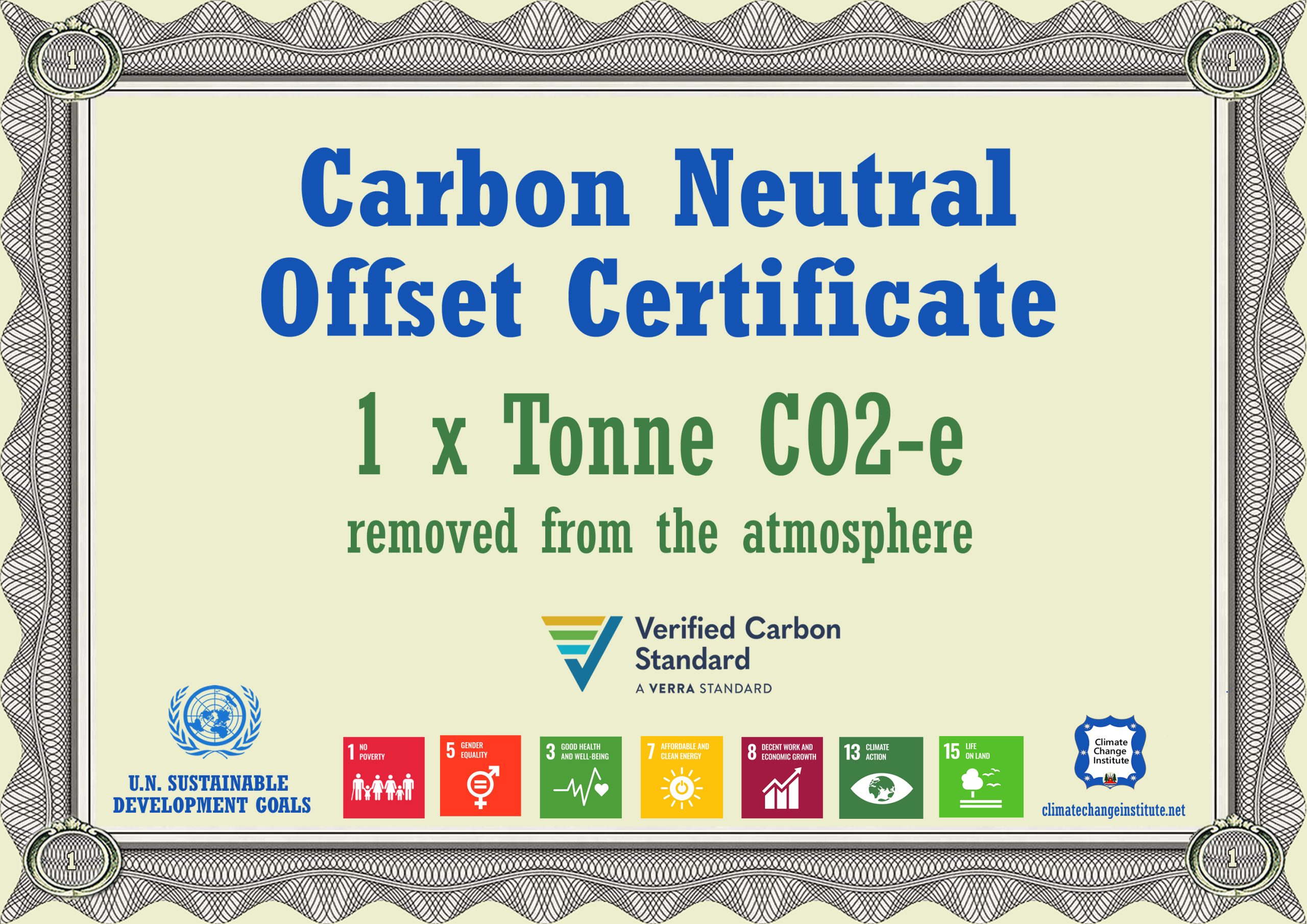
- Carbon credit certificates are recorded on-chain with full transparency
- Tokenised offsets support global climate integrity
- Anyone can take part in meaningful climate action — instantly
The world may not have reached peak fossil-fuel use yet, but the path to decarbonisation is becoming clearer. CCC continues to support this transition with real data, real certificates, and real climate impact.
👉 Want to Try Carbon Credit Coin?
You can experience CCC for free:
🔗 Try CCC Here
https://carboncreditcoin.net/try-ccc/
Receive a small amount of CCC, learn how blockchain-backed carbon credits work, and see how digital offsets can power real environmental change.